
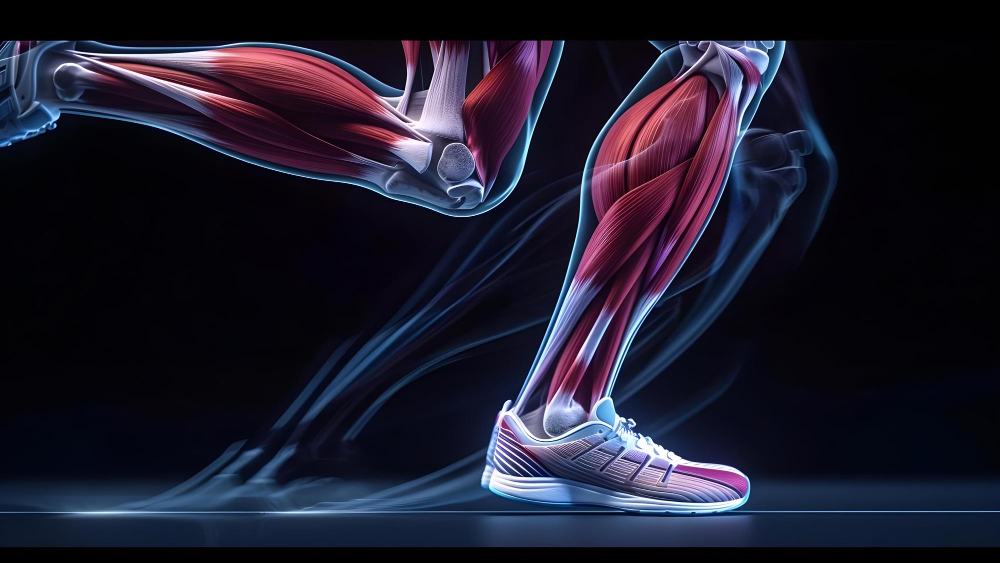
BPC-157 is a synthetic peptide commonly discussed for injury recovery, gut health, and inflammation support. The debate around the BPC-157 capsule vs injection comes down to how well each form actually works. Capsules offer convenience, while injections are often chosen for their higher bioavailability and stronger effects.
Key Takeaways
- Capsules are easy to use but offer low and inconsistent bioavailability
- Injections bypass digestion and provide faster, more reliable systemic effects
- BPC-157 is prohibited in competitive sports and not suitable for tested athletes
Disclaimer
The information provided in this article is intended for educational and informational purposes only and should not be considered medical advice. Nothing on this page is meant to diagnose, treat, cure, or prevent any condition, nor should it be interpreted as a recommendation for the use of peptides or prescription-based therapies. Always consult a qualified medical professional before considering any hormone-related or peptide-based treatment.
What Is BPC-157?
BPC-157 is a synthetic peptide made up of 15 amino acids and originally derived from a protective protein found in gastric juice. It has become popular because of its potential role in supporting tissue repair, improving gut lining integrity, and helping reduce inflammation, especially in connective tissues like tendons and ligaments.
Why Delivery Method Matters for Peptides
Peptides are fragile by nature, which means how they enter the body has a direct impact on how well they work. When a peptide is taken orally, it must survive stomach acid and digestive enzymes, which are designed to break proteins down before they ever reach the bloodstream.
Injections bypass this process and deliver the peptide directly into circulation, where it can interact with target tissues more reliably.
BPC-157 Capsules Explained
BPC-157 capsules contain the peptide in a solid oral form, usually mixed with fillers to create a supplement-style product. This is different from liquid oral versions, which may be taken sublingually or swallowed directly.
How Capsules Are Absorbed
Once swallowed, capsules must pass through stomach acid and digestive enzymes. This process can degrade a large portion of BPC-157 before it has any chance to be absorbed. Even when some of the peptide survives, absorption varies significantly based on digestion, gut health, and formulation.
Potential Benefits of Capsules
Capsules do offer a few practical advantages, especially for certain users. Key benefits include:
- Convenience, with no preparation or storage requirements
- Needle-free use, which appeals to those avoiding injections
- Possible localized interaction in the GI tract, where some peptide activity may occur
- Easier compliance for beginners, especially those new to peptides
Who Capsules May Be Best For
Capsules may make sense for a narrow group of users, including those dealing with mild digestive discomfort, people who prioritize convenience over potency, or individuals unwilling or unable to inject. They may also appeal to users with low expectations, who understand that capsules are unlikely to deliver the same level of effect as injectable forms.
BPC-157 Injections Explained
The injectable BPC-157 format is commonly used in research settings because it helps preserve peptide stability. Unlike oral forms, injections bypass the digestive system entirely, allowing the peptide to enter the body without being exposed to stomach acid or digestive enzymes.
Benefits of Injectable BPC-157
The main advantage of injections is high bioavailability, meaning a much larger percentage of the peptide is available for use. This leads to a faster onset of effects, more consistent outcomes, and fewer variables influencing absorption.
Who Injections Are Best For
Injectable BPC-157 is commonly chosen by performance-driven users who prioritize effectiveness and consistency over convenience.
Capsule vs Injection – Side-by-Side Comparison
| Comparison Point | BPC-157 Capsules | BPC-157 Injections |
| Bioavailability | Low due to digestive breakdown | High, delivered directly into the body |
| Speed of Effects | Slower and often subtle | Faster and more noticeable |
| Convenience | Very convenient, no preparation | Less convenient, requires administration |
| Cost | Lower upfront cost | Higher cost, higher effectiveness |
| Consistency of Results | Variable and unpredictable | More consistent and reliable |
Considering Peptide Therapy With Medical Guidance
If you are considering trying BPC-157, it is important to approach it through the right medical channel. Peptides are not supplements or fitness products, and their use should always be evaluated by a licensed healthcare professional.
If you want expert guidance before making any decisions, you can explore free consultation options at Castle Rock Hormone Health. Their team offers education-focused evaluations to help you understand whether peptide therapy, including BPC-157, may be appropriate for your individual health goals and circumstances.
Safety, Quality & Legal Considerations
Before choosing between capsules and injections, it is important to understand the safety and regulatory landscape around BPC-157. These factors often matter just as much as effectiveness.
Is BPC-157 FDA-Approved?
BPC-157 is not FDA-approved for human use in the United States. This matters because it means there are no standardized manufacturing requirements, no approved medical indications, and limited oversight on how products are made or marketed. As a result, consumers are responsible for evaluating risk, product quality, and source credibility rather than relying on regulatory safeguards.
Side Effects & Tolerability
BPC-157 is generally described as well-tolerated, but side effects can still occur.
- Injections may cause temporary irritation or redness at the injection site.
- Oral forms may trigger digestive sensitivity in some users.
More importantly, long-term effects in humans remain unknown, due to limited clinical research.
Competitive Sports & Drug Testing Considerations
BPC-157 raises important concerns for professional and competitive athletes. It is currently prohibited by the World Anti-Doping Agency (WADA), which means its use can result in failed drug tests and potential sanctions in organized sports.
How to Choose Between BPC-157 Capsules and Injections
Choosing the right form of BPC-157 comes down to being honest about your goals, expectations, and comfort level. There is no universally correct option, but there is usually a more logical one based on how you plan to use it.
Ask Yourself These Questions
Before deciding, take a moment to assess what actually matters to you:
- What is my primary goal? Gut support, injury recovery, or general wellness all point in different directions.
- How fast do I need results? Faster outcomes usually require more efficient delivery.
- Am I comfortable with injections? If the answer is no, that alone may limit your options.
- Do I prioritize convenience or effectiveness? This is often the deciding factor, even if it is not stated outright.
Simple Decision Guide
- If your focus is convenience, needle-free use, or mild digestive support, a capsule may be the more practical option.
- If your priority is tissue repair, faster recovery, and consistent systemic effects, injections are generally the better choice.
FAQ
Do BPC-157 capsules actually work?
Capsules may provide limited benefits, mainly within the digestive tract, but their overall effectiveness is inconsistent. Because much of the peptide is broken down during digestion, capsules rarely deliver strong systemic effects.
Why are injections more effective?
Injections deliver BPC-157 directly into the body, avoiding stomach acid and enzymes. This results in higher bioavailability, faster results, and more predictable outcomes compared to oral forms.
Can capsules replace injections?
Capsules cannot fully replace injections when the goal is injury repair or tissue recovery. They may be acceptable for convenience-focused use, but they are not equivalent in strength or reliability.
Is oral BPC-157 better for gut health?
Oral forms may be more relevant for localized gut support, as they interact directly with the gastrointestinal tract. Even so, results vary and should be viewed as supportive rather than definitive.
Can athletes use BPC-157?
BPC-157 is prohibited by WADA, which makes it unsuitable for tested competitive athletes. Use can lead to failed drug tests and disciplinary action, regardless of whether it is taken as a capsule or an injection.