
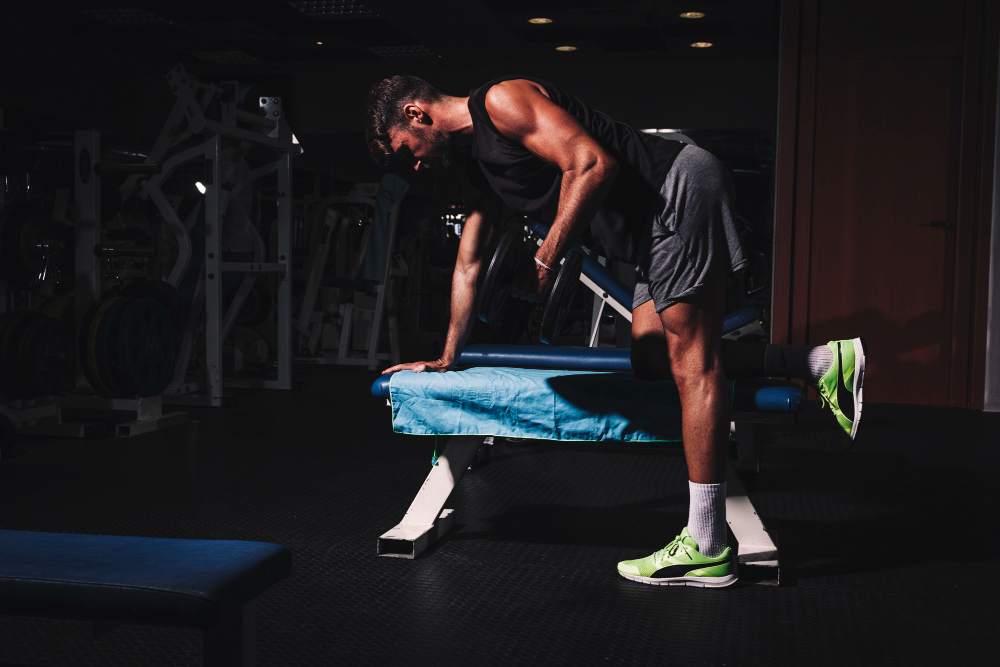
For a lot of people, lifting weights at night is the only option. Work, family, long commutes, packed schedules, they all push training to the end of the day. If that’s you, first of all, respect. Showing up to train when you’re tired and the day is already behind you takes real discipline.
The big question is whether training late helps or hurts your progress. Energy levels, strength, sleep, recovery, they all play a role here. In this guide, you’ll get a clear breakdown of what actually happens when you lift at night.
Key Takeaways
- Lifting weights at night does not hurt your results.
- Training effort, consistency, and recovery matter far more than timing.
- Sleep quality is the deciding factor. If night workouts disrupt sleep, they’re not ideal for you.
- Plan your daily nutrition so you don’t need heavy meals right before training or bed.
- Avoid caffeine and pre-workouts during night sessions to protect sleep.
Does Lifting Weights at Night Really Matter?
For the majority of people, when you train has very little impact on results.
Your body adapts to the stress you give it, not the clock on the wall. If you’re lifting hard, progressing your weights, and training regularly, your muscles don’t care if it’s 6 a.m. or 9 p.m.
What matters more than timing:
- Consistency week to week
- Quality of training
- Proper nutrition
- Enough recovery between sessions
If nighttime training is what allows you to stay consistent, it’s already a win.
Sleep Is the Main Limiting Factor
Sleep is where the real trade off comes in.
As long as you can still get a healthy amount of sleep, lifting at night is completely fine. Strength, muscle growth, and recovery can all happen normally.
The issue is that some people feel wired after training. Elevated heart rate, adrenaline, and mental stimulation can make it harder to fall asleep.
Benefits of Training at Night
Training at night can actually work in your favor, especially if your schedule is tight during the day. Here are some real benefits that come with it.
- Less crowded gym: Fewer people means more available equipment, no rushing, and less waiting between sets.
- Easier consistency: If nighttime is when you’re free, you’re more likely to train regularly. Consistency will always matter more than ideal timing.
- Better focus: Fewer distractions can make it easier to lock in and train with intention.
- More flexible workout pace: You can take proper rest between sets instead of feeling pressured to move fast.
- Mental reset after the day: Training at night can help you shut off work stress and end the day on a productive note.
Potential Challenges You Should Expect
Training at night isn’t perfect. There are a few downsides you should be aware of so they don’t catch you off guard.
- Fatigue after a long day: Mental and physical energy can be lower after work, especially on stressful days. Some nights will feel strong, others will feel flat.
- Inconsistent energy levels: Daily stress, meals, and sleep from the night before can all affect how good a late workout feels.
- Sleep disruptions: Training can raise your heart rate and alertness, making it harder to fall asleep for some people.
- Late hydration issues: Drinking a lot of water close to bedtime can lead to waking up during the night for bathroom trips.
- Limited gym access: Not all gyms stay open late, so night training depends on having a facility that fits your schedule.
If you need a gym that works around your schedule, including late nights and holidays, check out HiTone Fitness. It’s open 24 hours a day, 365 days a year, so your training never has to depend on the clock.
Performance Differences You Might Notice
Many lifters notice they feel stronger later in the day, and there are a couple of simple reasons for that.
- You’ve eaten multiple meals, so energy levels are higher.
- Glycogen stores are more full compared to early morning.
- Moving throughout the day can make you feel looser and more mobile.
- Your joints and nervous system are already warmed up.
- This can translate into better performance on heavy lifts or more productive volume sessions.
Individual Responses Vary
Not everyone experiences these benefits.
Some lifters feel great at night, others feel flat no matter how much they eat or move during the day. That’s normal. Your sleep patterns, stress levels, and natural rhythm all play a role.
Personal experience matters more than general rules here. If night training feels strong and repeatable for you, that’s the data that matters most.
Nutrition Considerations for Night Training
Big, heavy meals right before training can make workouts feel sluggish. At the same time, eating a large meal right before bed doesn’t work well for everyone.
A simple approach works best:
- Eat a balanced meal a few hours before training.
- Use a lighter snack if needed closer to your workout.
- Avoid overeating late just because you trained.
Daily Protein Intake Still Comes First
For muscle growth, a good target is 0.8 to 1.2 grams of protein per pound of bodyweight per day. That range covers most lifters, from beginners to advanced trainees.
As long as you consistently hit that intake across the day, training at night won’t slow muscle growth or recovery. Protein totals first, timing second.
The Best Way to Decide If It Works for You
The simplest way to know if night training works for you is to test it. Not for one workout, but for a couple of weeks. Train at night consistently and pay attention to how you feel during sessions, how your sleep looks, and how your energy carries over to the next day.
Look at the full picture. Are your workouts productive? Are you progressing or at least maintaining strength? Are you falling asleep without issues and waking up rested? Those signals matter more than any general guideline.
If night training checks those boxes, stick with it. There’s no reason to change something that’s working. If you notice poor sleep, low energy, or declining performance, that’s your cue to adjust. Try training earlier, modifying workout intensity, or changing meal timing. The best training schedule is the one your body can repeat long term.
FAQ
Is lifting weights at night bad for muscle growth?
No. Lifting at night does not hurt muscle growth on its own. Muscle growth depends on training quality, progressive overload, nutrition, and sleep. As long as you’re training hard, eating enough, and sleeping well, nighttime lifting won’t hold you back. The only time it becomes a problem is if late workouts consistently reduce sleep quality.
Should night workouts be shorter or less intense?
Not necessarily. You don’t need to automatically shorten or lighten night workouts. That said, some people perform better by keeping sessions efficient. If long or extremely intense workouts leave you wired and hurt sleep, slightly reducing volume can help. Let sleep quality guide how hard you push.
Is cardio at night better or worse than lifting?
Light to moderate cardio at night can actually help some people relax. Heavy or high intensity cardio late at night may increase alertness and make sleep harder. Lifting weights tends to be more stimulating, but both can work if sleep isn’t affected.
Should I avoid caffeine before night workouts?
For most people, yes. Caffeine late in the day can interfere with falling asleep, even if you feel tired. If you train at night, it’s usually better to rely on food, hydration, and proper warm ups instead of stimulants.