
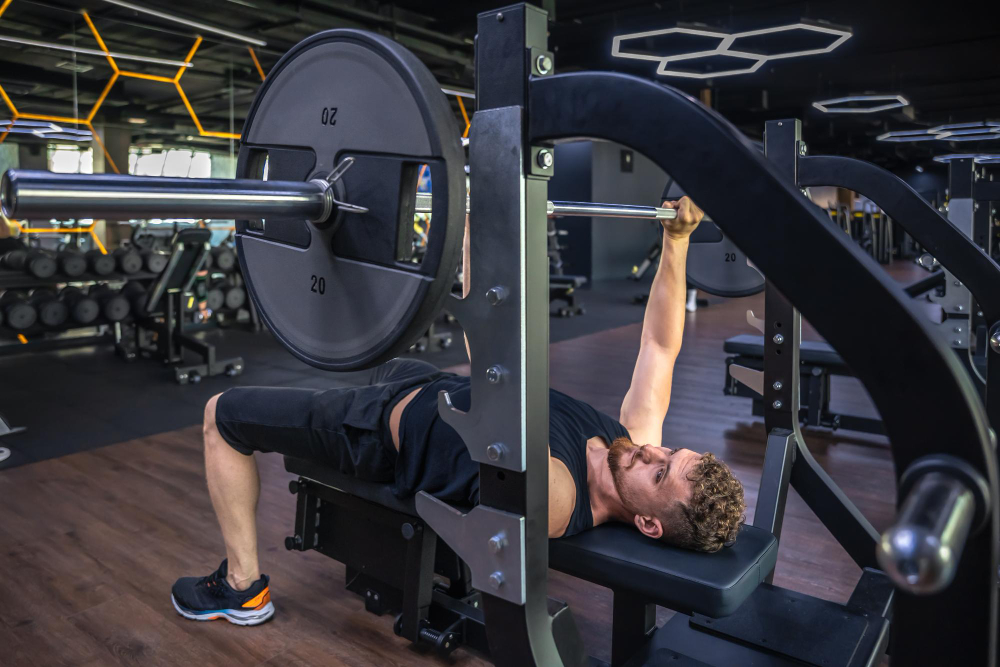
When it comes to the supine press vs bench press, a lot of people think they’re the same thing. You’re lying on your back, you’re pressing a weight, and it looks pretty similar from the outside. So the confusion makes sense.
But once you actually do both, you notice they feel different. The setup is different, the way your body is supported changes, and that affects how the movement loads your chest, shoulders, and triceps. In this post, we’ll break down those differences in a simple way so you can figure out which one makes more sense for your training.
Key Takeaways
- Supine press feels easier because the machine does the stabilizing for you
- Bench press feels harder because you’re controlling the weight, not the machine
- Lifting more on a machine is normal and doesn’t mean you’re suddenly stronger
- Supine press is great for comfort and volume, but progress stalls eventually
- Bench press is tougher to learn, but it keeps paying off long-term
What Is Supine Press?
The supine press is a machine-based exercise that mimics the bench press while keeping the movement on a fixed path. You lie on your back and press the handles away from your chest, similar to a barbell or dumbbell press.
Most supine press machines allow different hand positions, such as neutral or palms-forward grips. This changes how the movement feels and can reduce stress on the shoulders. Because the path is guided, the supine press is easier to control and requires less stabilization than a free-weight bench press.
What is Bench Press?
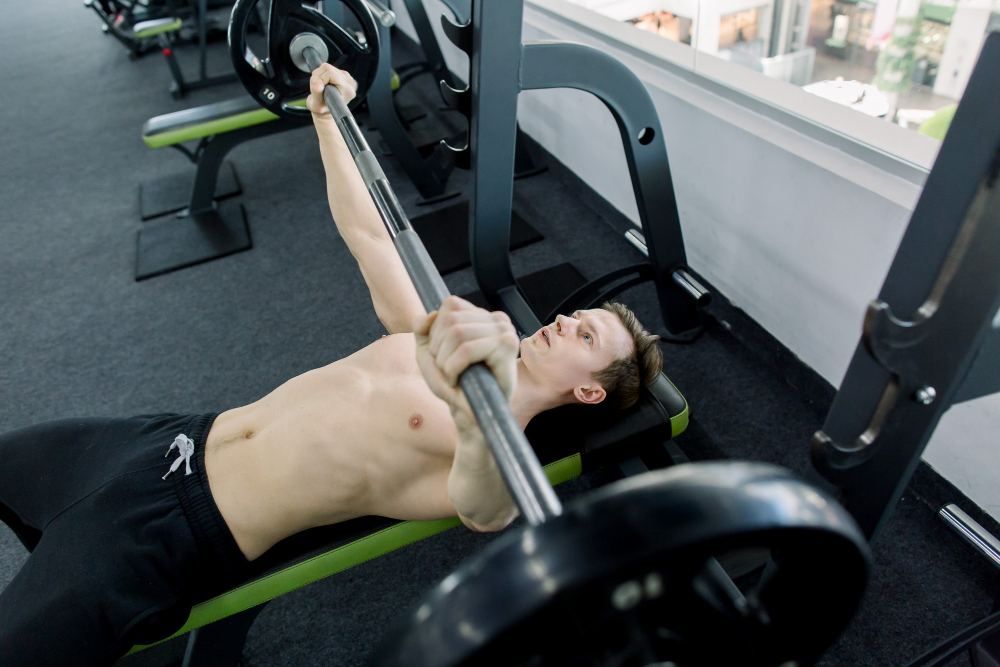
The bench press is a compound free-weight exercise where you press a barbell or dumbbells while lying on a bench. Unlike machines, the weight moves freely, which means your body has to control the movement from start to finish.
Bench press is one of the most effective lifts for building a stronger and wider chest, along with the triceps and front shoulders. Because you can load it heavily and progress it over time, it’s a go-to exercise for developing pressing strength and upper-body size.
Supine Press vs Bench Press – Key Differences
At a glance, the supine press and bench press look very similar. Both involve pressing weights while lying on your back, and both target the same main muscle groups. The difference shows up once you actually start lifting.
Muscles both exercises work:
- Chest
- Triceps
- Front shoulders
Where they differ is how those muscles are loaded and how much work your body has to do to control the movement.
With the bench press, the weight moves freely. That means more muscles are involved to stabilize the bar, especially through the shoulders, upper back, and core. Good form matters a lot, and small mistakes show up quickly. Because of that, the bench press usually feels harder and more demanding, even with lighter weights.
With a supine press, the machine guides the movement for you. The fixed path reduces the need for stabilization and allows you to focus more on pressing the weight. Many machines also offer different hand positions, which can make the movement feel more comfortable on the shoulders. Because the movement is controlled, some people can lift more weight on a supine press compared to a bench press.
Which Is Better for Muscle Development?
Both the supine press and the bench press can be used to build muscle. The better option depends on how you like to train and what kind of stimulus you respond to best.
Some people prefer the bench press because it’s a true compound movement. It trains multiple muscle groups at once, allows heavy loading, and builds serious pressing strength over time. If getting stronger and moving more weight matters to you, the bench press usually feels more rewarding.
Others prefer the supine press because the movement is more controlled. You don’t have to think about balancing the weight or dialing in technique on every rep. For some lifters, this makes it easier to focus on the chest and feel stronger muscle engagement without distractions.
Can You Use Both on the Same Day?
Yes, and this is a popular approach.
If you use both in one workout, start with the bench press first while you’re fresh. That’s where you focus on strength and heavier loads. After that, move to the supine press to add controlled volume and isolation work.
If the machine allows it, incline or decline supine press variations work well at the end of a session to target different areas of the chest without overloading your joints.
Which is Better for Strength?
For strength training, the bench press is the clear winner.
Bench press works multiple muscles at the same time and allows you to lift heavier loads than most machines. Because the weight moves freely, your body has to learn how to engage the chest, triceps, shoulders, and stabilizing muscles together. That skill is a big part of getting stronger.
In addition, with the bench press, proper form matters. You learn how to brace, stay tight, and apply force efficiently. Those skills transfer well to other lifts and real-world strength.
So if your main goal is to get stronger, free weights will always have the advantage over machines.
Which One Is Safer and Easier to Learn?
Both the supine press and the bench press can be safe as long as you warm up properly and respect the weight you’re using. Most injuries don’t come from the exercise itself, they come from rushing the setup, skipping warm-ups, or lifting more than you can control.
That said, the supine press often feels easier on the joints for many people. The fixed movement path reduces the need to stabilize the weight, which can take pressure off the shoulders and elbows. Because you don’t have to worry about balancing a bar, the exercise can feel safer, especially when training alone.
The bench press demands more attention to form. Without proper technique, small mistakes can add stress to the shoulders over time. This doesn’t make bench press dangerous, it just means it requires more learning and awareness.
From a learning standpoint, supine press is easier to pick up. You sit down, adjust the seat, and press. The machine guides the movement, which makes it more beginner-friendly. Still, proper warm-ups and controlled reps are just as important, no matter which option you choose.
Pro Tip for Progressive Overload and Long-Term Use
The supine press is very useful in the early and middle stages of training. Over time, though, most lifters hit a plateau. Machines have limited loading options, fixed movement paths, and less demand on stabilizing muscles. Once you adapt to that pattern, adding more weight becomes less effective or uncomfortable, and progress slows down.
Bench press fits better into long-term development because it scales almost indefinitely. You can progress weight in small steps, adjust volume, change tempo, and use variations without changing the core movement.
In practical terms, the supine press works best as:
- A starting point for learning pressing mechanics
- A joint-friendly option during high-volume phases
- An accessory lift to add controlled chest work
Bench press works best as:
- The main lift for strength progression
- A long-term foundation for upper-body development
- A tool that continues to challenge you as you get stronger
FAQ
Is supine press better if I have shoulder pain?
For many people, yes. The supine press can feel more comfortable because the movement path is fixed and often allows neutral or semi-neutral hand positions. This can reduce stress on the shoulders. That said, it doesn’t fix poor warm-ups or bad loading choices. If shoulder pain is present, start light, warm up properly, and avoid forcing the range of motion on either exercise.
Can the supine press replace the bench press completely?
It can replace it temporarily, but not completely for most lifters. Supine press works well for building muscle and staying consistent, but it has limits for long-term strength progression.
Is the bench press necessary to build a big chest?
No, it’s not strictly necessary. You can build a big chest without a bench press using machines, dumbbells, and other presses. However, the bench press makes it easier to build size over time because you can progressively load it and train multiple muscles at once.
Why does the supine press feel easier than the bench press?
It usually feels easier because the machine removes the need for stabilization. You don’t have to balance the weight or control the bar path, so more effort goes directly into pressing.
Is it normal to lift more on a machine press?
Yes, that’s completely normal. Machines like the supine press provide stability and guide the movement, which allows you to push more weight safely. This doesn’t mean you’re stronger on the machine, it just means the machine is doing part of the work for you.