
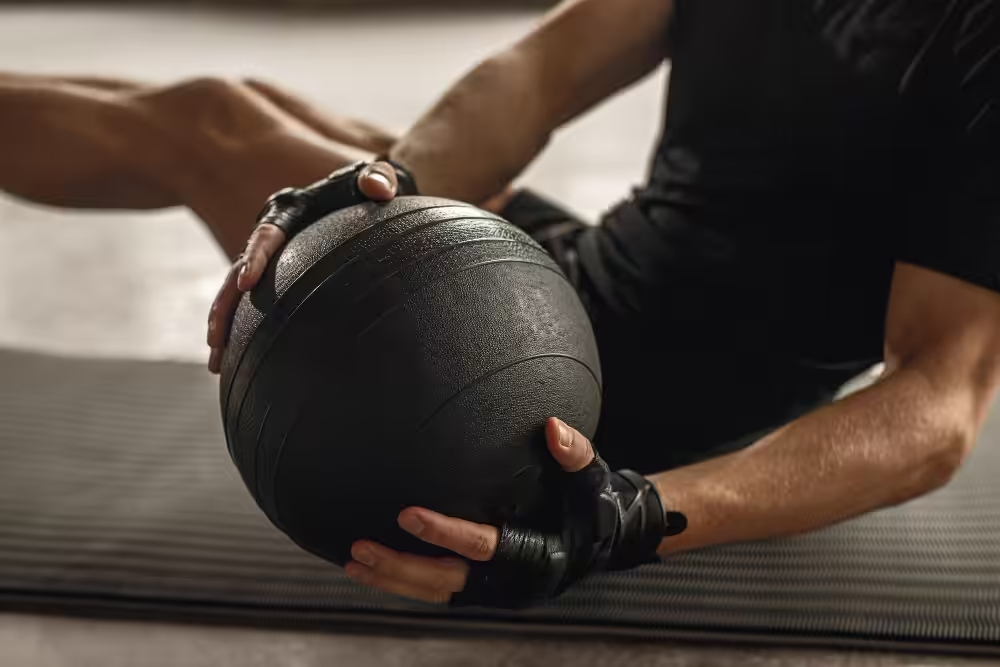
If your lower back often feels tight, weak, or tired, adding lower back exercises with a medicine ball can make a big difference. The medicine ball is a simple tool that challenges your core and stabilizer muscles in ways traditional exercises can’t. It helps you build a stronger, more balanced body while improving posture, flexibility, and mobility.
Key Takeaways
A strong lower back is the foundation for better posture, mobility, and overall movement. With just a medicine ball, you can train from anywhere.
- Medicine ball exercises strengthen the lower back through controlled, functional movements.
- Consistency is more important than intensity. Focus on form and gradual progress.
- Adjust frequency based on your goals, from recovery to athletic performance.
- Combine these exercises with core, glute, and mobility work for a balanced routine.
- A few minutes of focused lower back training can make a big difference in strength and comfort.
Can You Use a Medicine Ball for Lower Back Exercises?
Yes, absolutely. This full-body approach not only builds strength but also improves stability and control. The dynamic nature of the ball teaches your muscles to stay balanced and supported during everyday activities like bending, twisting, and lifting.
Best Lower Back Exercises with a Medicine Ball
Here are some of the most effective exercises to strengthen your lower back and build better core stability.
Seated Medicine Ball Twist
- Sit on the floor with knees bent and feet slightly lifted off the ground.
- Hold the ball in front of your chest with both hands.
- Rotate your torso to one side, bringing the ball toward your hip.
- Return to the center, then twist to the other side.
- Keep your core tight and back straight throughout.
Superman with Medicine Ball
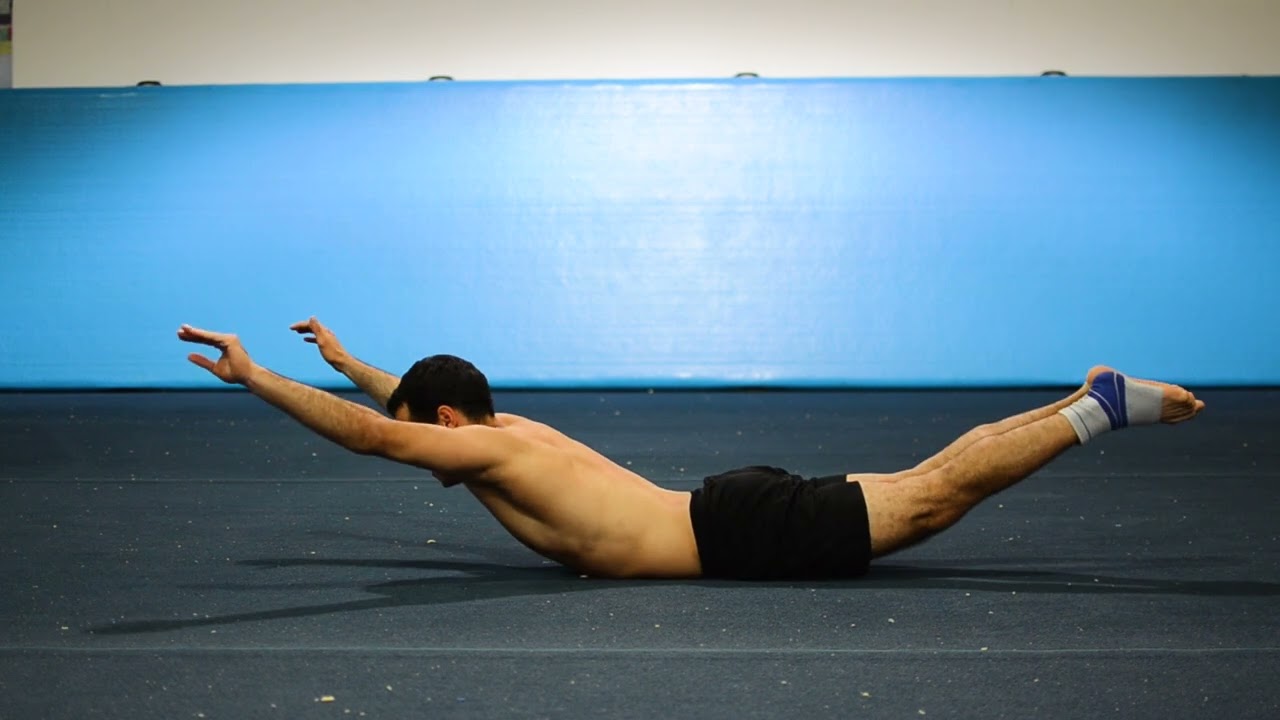
- Lie face down with the ball in both hands, arms extended forward.
- Engage your core and lift your arms, chest, and legs off the floor.
- Hold for a brief pause at the top, then lower with control.
- Keep the movement slow and focused.
Medicine Ball Good Morning
- Stand with feet hip-width apart and hold the ball at chest level.
- Keep your back straight and hinge forward at the hips until you feel a stretch in your hamstrings.
- Engage your lower back and glutes to return to standing.
- Maintain a slight bend in the knees throughout.
Glute Bridge with Medicine Ball Press
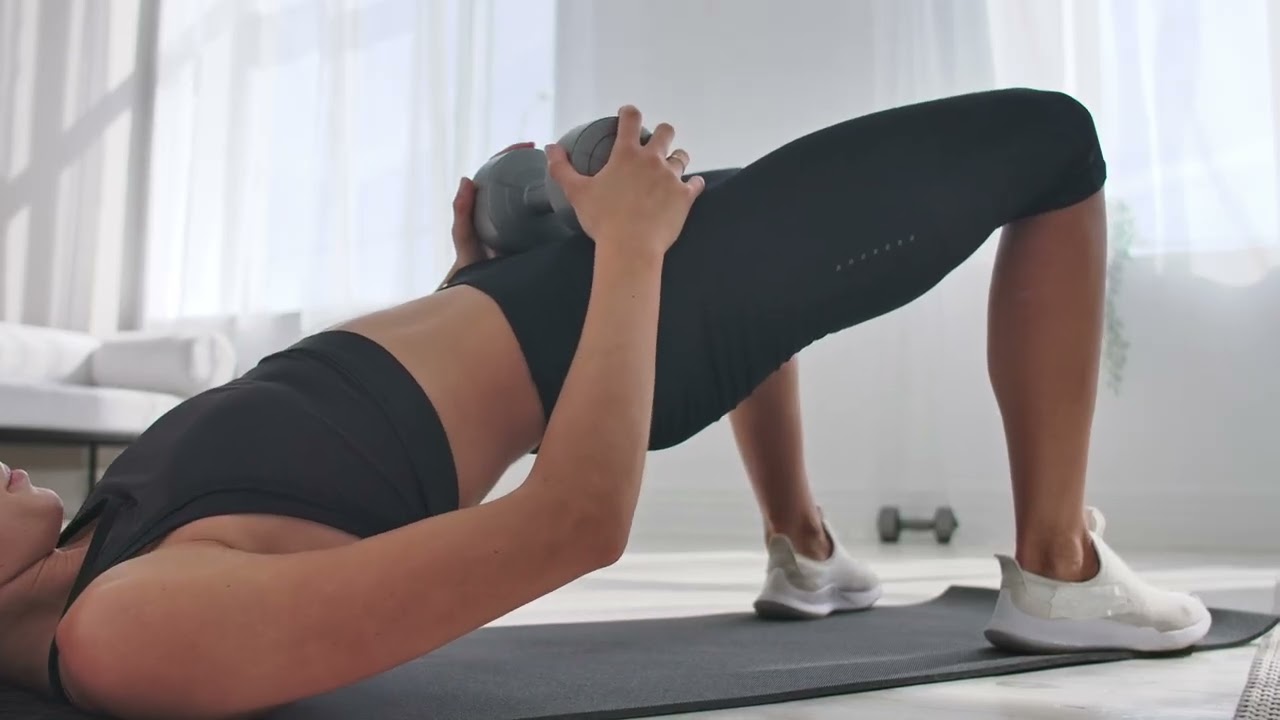
- Lie on your back with knees bent and feet flat on the floor.
- Hold the ball above your chest with both hands.
- Lift your hips into a bridge while pressing the ball upward.
- Lower your hips and arms together under control.
Medicine Ball Deadlift
- Stand tall with the ball in front of your thighs.
- Hinge at the hips, keeping your back flat as you lower the ball toward the floor.
- Push through your heels and engage your glutes to return to standing.
- Avoid rounding your spine at any point.
Reverse Lunge with Twist
- Hold the ball at chest height with both hands.
- Step back into a lunge position.
- As you lower, twist your torso toward the front leg.
- Return to standing and repeat on the other side.
When Can These Exercises Help?
Medicine ball lower back exercises are ideal for anyone dealing with stiffness, weakness, or mild discomfort in the back, as long as there’s no serious injury. They can help in several situations:
- When you sit for long hours and your lower back feels tight or fatigued.
- After heavy lifting or workouts to improve recovery and mobility.
- As part of a warm-up routine to activate your core and spine safely.
- During functional training for athletes who need rotational power and stability.
- To prevent lower back pain by improving posture and balance.
If you enjoy training with a partner, a full medicine ball partner workout is another way to challenge your core and lower back.
How Often to Do These Exercises
This will depend on your goals and current activity level.
If You’re New to Exercise or Recovering:
- Start with 2 sessions per week, focusing on control and form.
- Do 1-2 sets per exercise, with 10-12 slow, deliberate reps.
- Allow at least 48 hours between sessions for recovery.
If You’re Active and Want to Prevent Back Pain:
- Train your lower back 2-3 times per week as part of your core or mobility routine.
- Perform 2-3 sets of 12-15 reps per exercise.
- Mix in other stability or stretching work (like planks or cat-cow stretches).
If You’re an Athlete or Train Regularly:
- Include medicine ball back work 1-2 times per week alongside your strength training.
- Focus on explosive and rotational movements such as twists, good mornings, and lunges with a twist.
- Do 3 sets of 8-12 reps, keeping the movements powerful but controlled.
If You’re Managing Tightness or Stiffness
- Gentle movements like Supermans and Glute Bridges can be done daily.
- Keep the reps low (8-10) and focus on movement quality.
- These light sessions help circulation and reduce muscle tension without strain.
When you’re ready to move beyond stability and into explosiveness, these medicine ball power exercises are ideal for boosting athletic performance.
FAQ
How long does it take to see results?
With consistency, you may start feeling stronger and more stable within 2-4 weeks. Visible improvements in posture and mobility usually come after 6-8 weeks of regular training.
Do I need other exercises along with these?
Yes. A balanced routine should include core, glute, and mobility work in addition to lower back exercises. Strong surrounding muscles provide better support and help keep your back healthy in the long term.
Are medicine ball exercises safe for the lower back?
Yes, when done correctly. Medicine ball exercises strengthen the muscles that support your spine, which can actually help prevent back pain. The key is to move with control and avoid using momentum or arching your back too much.